Skip to content
Carter

Federal law, read as of its date.

Two experts inside Claude and ChatGPT: Canadian customs and federal tax. Method first, the text in the version that governs, the source on every answer — and both official versions, French and English, equally authoritative. Not a search engine: reasoning that holds its conclusion.

Subscription · a free trial to start, no card · pricing at launch.

Engraving: the Peace Tower of Canada’s Parliament, in blue and red ink

What the corpora hold

  • Customs Tariff 10,992 lines, dated treatments, legal notes
  • Tariff vintages the prescription window, a dropped line found at its date
  • 16 federal Acts Customs, Tariff, SIMA, excise — and the laws enforced at the border
  • Income Tax Act section by section, at its in-force date
  • CRA folios administrative position, never cited as the law
  • Advance rulings 1,197 classification rulings
  • Tax treaties 63 partners, article by article
  • 14 jurisdictions federal, provinces, territories — Québec included

The two desks

A subscription per connector — and inside it, far more than documentation: the working method of the trade and the technical know-how that applies it, built into the connector. A free trial to start; every answer carries its citations, to the section.

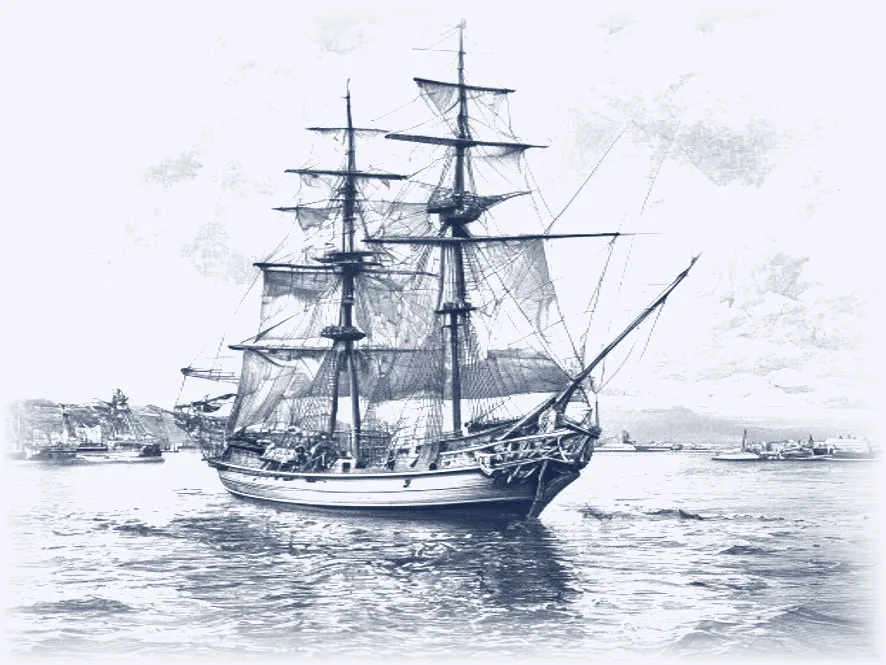
Engraving: a Canadian seaport, ship at the wharf

Carter Customs

Canadian customs at the entry date: the tariff, the dated measures, valuation, origin, the case.

  • The Customs Tariff at its current revision, full hierarchy with Section and Chapter notes; the duty is decided at the eight-digit item.
  • Tariff vintages over the prescription window: a line dropped from the current tariff is still served at its date, description included.
  • 16 federal Acts — Customs, Tariff, SIMA, excise — and the third-party laws enforced at the border: forced labour, cultural property, intellectual property, sanctions.
  • 1,197 advance rulings, 63 SIMA measures, the single window and its agencies, the Canadian International Trade Tribunal’s case law.

And it produces: the customs value settled, duties and GST computed, the request for review and the correction drafted — the case worked end to end.

8703.10.00 Customs Act, s. 32.2
Engraving: a bound ledger and a seal

Carter Tax & Law

The right section, at the right year: the Income Tax Act dated, CRA folios, fiscal federalism and the treaties.

  • The Income Tax Act and the Excise Tax Act, section by section, read in the version in force in the year that governs.
  • 13 federal tax Acts; the provincial layer and Québec; the abatement and interprovincial allocation named, never guessed.
  • 63 tax treaties by partner, article by article; the multilateral instrument that modifies them is flagged.
  • 50 CRA income tax folios, served as administrative position; the index of Tax Court of Canada decisions.

And it produces: the file analyzed, positions computed and sourced, the notice of objection and notice of appeal drafted — to the Court’s standards.

ITA s. 152 Folio S1-F3-C1

Two versions, one shared meaning

Federal law is enacted in both languages, and both are equally authoritative. When they diverge, the shared-meaning rule prevails (R. v. Daoust, 2004 SCC 6): Carter serves both, flags the gap, and leaves the conclusion to the lawyer.

French version

« La personne tenue … de faire une déclaration en détail … et qui a des motifs de croire que la déclaration est inexacte est tenue, dans les quatre-vingt-dix jours suivant la découverte, de corriger la déclaration. »

English version

“A person … who has made a declaration … and who has reason to believe that the declaration is incorrect shall, within ninety days after the reason to believe arises, make a correction to the declaration.”

The deadline — ninety days — is read from the served text, never from memory; and it runs from the “reason to believe”, which both versions express in concert. Every federal provision confronts this way, version against version.

The method, straight down the line

The connector carries the trade’s method and its procedures, not a search box — and the order of dates is real: the text served is the one that governed at the date of the triggering event.

  1. Add the connector

    One click from claude.ai or Claude Desktop: the connector arrives prefilled, name and address included. In ChatGPT: same address, under Settings → Connectors.

  2. The assistant reads the record

    Search, section reading in its dated version, sourced computation: the answer is built on the texts, not on recollection — and in the language of your choice.

  3. You verify at the source

    Every claim carries its exact citations: section, version, court, date. The decision stays with the professional.

The connectors run in Claude and ChatGPT; answers gain depth with a capable model — Claude Opus, or GPT-5 Thinking.

From recall, or from the record

The same question, two answers: one rests on a model’s recollection, the other goes back to the text. “Has folio S1-F3-C1 on child care expenses been revised, and which sections of the Act does it cite?”

A model recalling

“It rings familiar as section 63; the folio is probably current. It’s likely fine to rely on.” No citation, no date.

Unverifiable

A model reading

“The folio is served as an administrative position, with its date; it cites section 63 of the Act, served verbatim in its in-force version.” The answer arrives carrying its citations.

  • Folio S1-F3-C1 — served, dated, administrative position
  • ITA s. 63 — text in force, cited as such
  • The position is never cited as the law

The exhibit

A practitioner’s question, the answer in brief, and the citations that let you verify.

“Goods entered in March 2024 under a tariff line since removed: which text computes the duty — today’s, or the line at its date?”

The line is read at its March 2024 vintage — the description and rate of that time — and the gap with the current tariff is flagged, dated and cited, so the two states can be compared.

Citations Tariff, vintaged line March 2024

“Capital gain on property disposed of in 2023: which inclusion rate — the year’s, or today’s?”

The inclusion rate is read at section 38 in its version for the year of disposition, never from memory: the tax law is indexed, a recited figure would be wrong.

Citations ITA s. 38 2023 version

The limits, stated plainly

  • Carter is a research aid: it is not legal, tax or customs advice.
  • Texts are served in their dated versions: the governing version is the one in force at the date that matters.
  • Tax Court of Canada case law is an index of notices — reference, subject, link — never a full-text corpus: read the decision at the source.
  • Always verify the citation given: drafts ship for practitioner review, and reasonable care remains with the filer.

For the full framework: frequently asked questions and legal notice.

Three questions, before you add

Where do the texts come from?

From the official corpora carried in the legend: the Customs Tariff and its vintages, the federal Acts and their regulations, the Income Tax Act, CRA folios, advance rulings, treaties and case law. Every answer points to the exact citation, for verification at the source.

Do I need an account?

Carter is a subscription service (a professional plan), with a free trial to start. During the launch period the connector is open, so the trial needs no card. Pricing will be announced here before billing begins, and adding will stay just as simple.

Is this legal or tax advice?

No: a sourced research aid. The professional verifies the citation given, weighs the situation and decides.

All frequently asked questions

Start your trial

Pick your desk: the connector opens prefilled in Claude — or adds to ChatGPT, same address.

Subscription · a free trial to start.